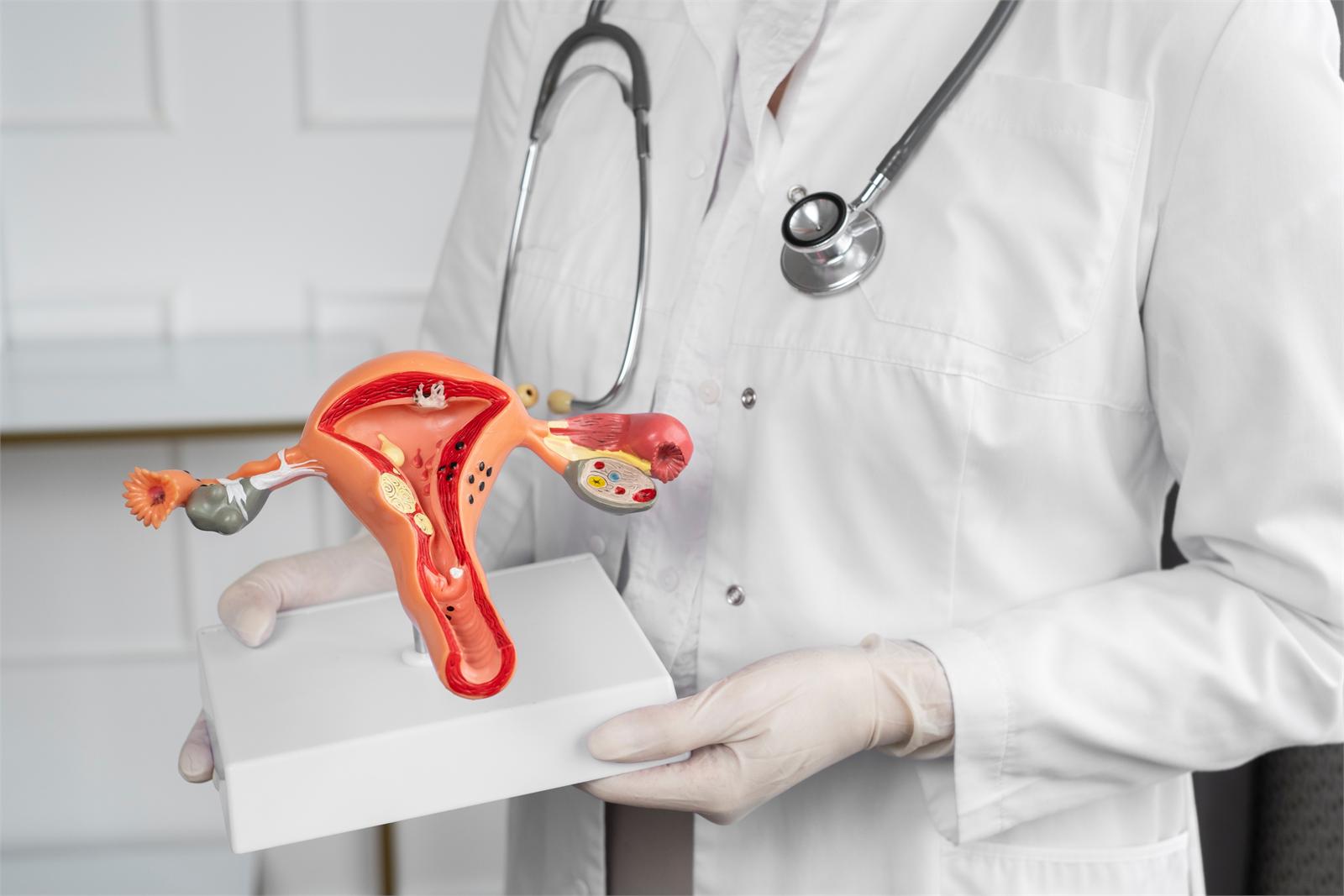
Ovarian Cyst

OVARIAN CYST

Ovarian cysts are fluid-filled sacs within or on the surface of an ovary. They vary in size and content, and may be benign or malignant. Symptomatic ovarian cyst may cause pelvic pain, bloating, or fullness. Treatment, if needed, often involves monitoring, hormonal birth control to prevent new ones, or surgery for large/painful cases.

Key Aspects of Ovarian Cysts

  • Main Causes: The majority are functional cyst, caused by the menstrual cycle, where a follicle either fails to release an egg or doesn't shrink after releasing one. Other types include endometriosis, dermoid cyst and benign cystadenoma.
  • Symptoms: The majority of ovarian cysts are asymptomatic. Larger ovarian cysts may twist or rupture, resulting in acute abdominal pain, nausea and vomiting. Patients with endometriotic cysts may present with painful menses (dysmenorrhoea) and intercourse (dyspareunia).
    • Other symptoms include:
    • menstrual irregularities
    • bloatedness
    • lower abdominal discomfort
    • loss of appetite or weight
    • passing urine more frequently or change in bowel habit (constipation or diarrhoea) due to compression from the cyst

As ovarian cancer tends to develop insidiously with vague symptoms, the above symptoms should not be ignored, especially if they are new or experienced on a frequent basis.

  • Treatment: Small, functional cysts often disappear without treatment within 1-3 months. Treatment for symptomatic or persistent cysts may include pain management or surgical removal.
  • Diagnosis: Diagnosis of Ovarian Cysts
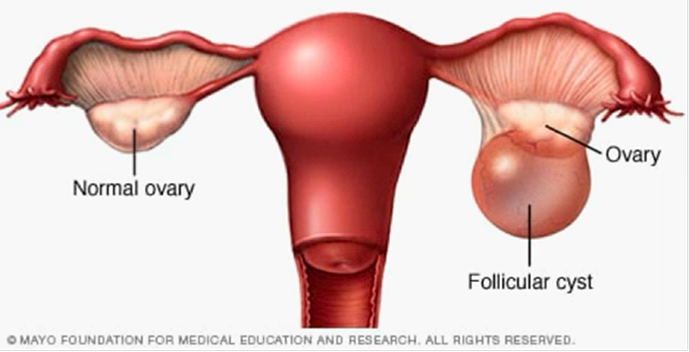
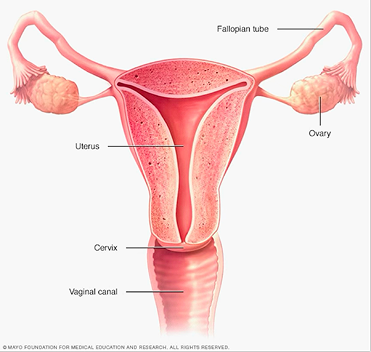
Ovarian Cyst illustration

How are ovarian cysts diagnosed?

Ultrasound is the preferred method for characterising ovarian cysts. Features such as solid areas, multiple internal compartments, irregular margins and high velocity blood flow increase the index of suspicion for ovarian cancer. A blood test for CA125 may be taken if there is concern about malignancy. This blood protein is frequently raised in ovarian cancer, but must be interpreted in conjunction with symptoms and ultrasound findings as it can also be raised in non-cancerous conditions such as endometriosis and fibroids.

Treatment for Ovarian Cysts

  • Management depends on your symptoms, characteristics of the cyst and results of blood tests. Small asymptomatic ovarian cysts that have no suspicious features on ultrasound may be managed expectantly. This usually involves a follow-up ultrasound scan in about three to four months to monitor for any change in size or appearance of the cyst. Surgery will be recommended if the ovarian cyst is symptomatic or has abnormal features.
  • Laparoscopy (keyhole surgery) is the approach of choice if the risk of malignancy is low, as it is associated with less post-operative pain and a faster recovery. LAPAROSCOPY IS THE BEST WAY TO TREAT OVARIAN CYST, ENDOMETRIOSIS, DERMOID CYST. Laparoscopy offers painless surgery, less bleeding, less complication, faster recovery and less hospital stay.
  • Laparotomy (open surgery) may be recommended if you have had previous surgery, if the ovarian cyst is large or if it has suspicious features.
  • Cystectomy involves the removal of the cyst with preservation of normal ovarian tissue. This is usually done for pre-menopausal women in order to conserve ovarian tissue for reproductive and hormonal function.
  • Oophorectomy is the surgical procedure to remove the entire ovary. Post-menopausal women will usually be offered removal of both ovaries as this has the advantage of reducing the risk of developing ovarian cancer or cysts in the future.
  • If the risk of ovarian cancer is high, your doctor will discuss frozen section and surgical staging.
  • Frozen section involves sending the excised ovarian tissue for microscopic examination while you are still under general anaesthesia. If this test reveals malignant cells and you have given prior consent, your surgeon may then proceed to perform a full staging surgery as part of the treatment for ovarian cancer. This involves removing the uterus, both fallopian tubes and ovaries, the omentum (a layer of fatty tissue that covers the abdominal contents like an apron) as well as lymph nodes.
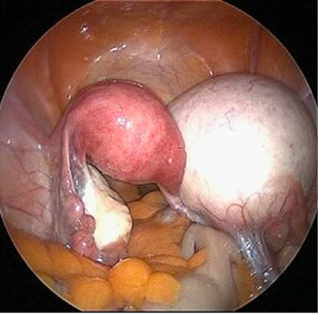
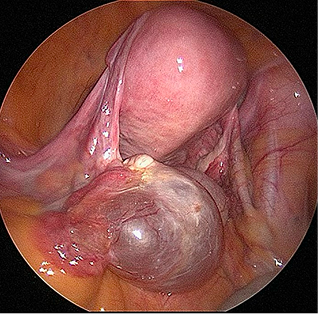
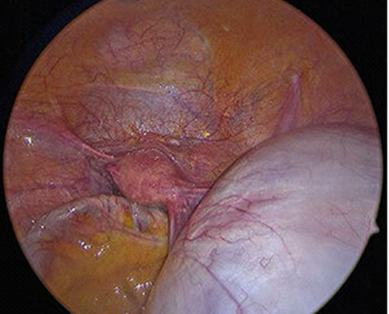
Ovarian Cyst surgical image
WhatsApp